Required Angling Gear for Every Anglers: A Total Guide
Fishing equipment is critical for both beginners and seasoned anglers alike. A organized checklist can boost the fishing experience significantly. Critical items like rods, reels, and tackle organization play vital roles. Moreover, suitable clothing and accessories ensure comfort and safety on the water. However, many overlook the importance of consistent maintenance. Grasping these factors can result in more fruitful outings. What specific gear should every angler consider to maximize their fishing time?
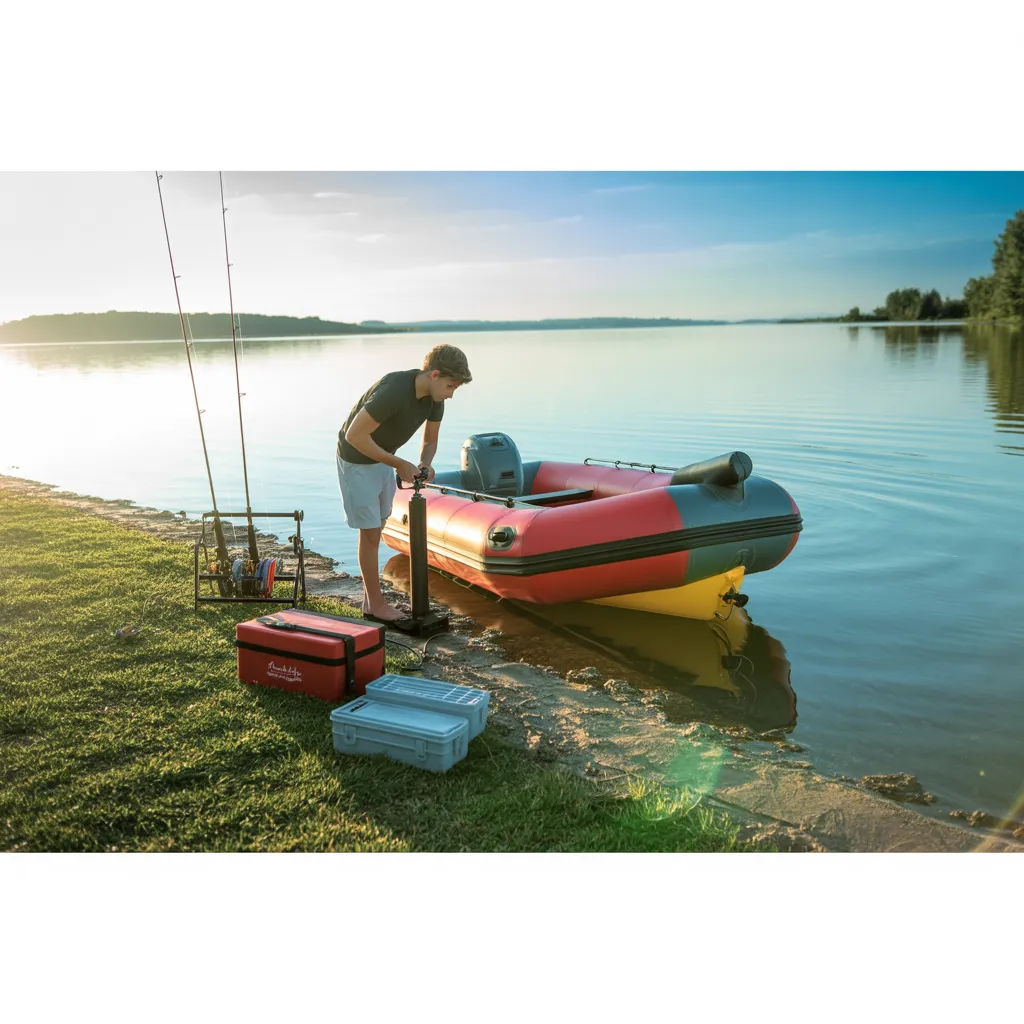
Must-Have Fishing Rods and Reels for Success
When commencing a fishing adventure, selecting the right rods and reels is essential for a prosperous excursion. The selection of rod often depends on the kind of angling being undertaken. For example, a spinning rod is flexible and perfect for beginners, accommodating multiple techniques and species. In comparison, a casting rod offers more precision and command, making it preferred by experienced anglers pursuing bigger fish.
Reels are essential in fishing success. Spinning reels are easy to handle, fit for lighter lines, and effective for species like trout or bass. Baitcasting reels, while somewhat skill-intensive, provide greater accuracy and are often chosen for more demanding fishing expeditions. For particular requirements, fly reels are indispensable for fly fishing, permitting precise presentations. Ultimately, the right combination of rod and reel amplifies the angler’s ability to adapt to varied fish species and habitats.
Ways to Organize Your Tackle Box Like a Pro
A neatly sorted tackle box significantly boosts an angler's efficiency on the water. To start, anglers should organize their gear by type—hooks, lures, lines, and tools. Utilizing small, transparent compartments ensures easy visibility and quick access to each item. Tagging these sections can further streamline the process, helping to locate essentials quickly during a fishing trip.
Next, keeping frequently used items at the top or in easily accessible areas guarantees that time is not wasted rummaging through the box. Regularly checking and maintaining gear condition is vital; replacing worn-out items avoids frustration on fishing days. Additionally, employing a list can assist in making certain that nothing essential is left behind. Finally, considering the fishing environment, such as freshwater or saltwater, can guide organization tailored to specific needs, making the tackle box an invaluable companion for any angler.
Finding the Best Fishing Bait: Natural Alternatives versus Artificial
When selecting fishing bait, anglers often consider the advantages of natural versus artificial options. Natural bait, such as worms or minnows, can catch fish more effectively due to its authenticity, while artificial bait offers convenience and a broader range of colors and shapes. Matching the right bait to the target species is essential for successful fishing, regardless of the type chosen.
Various Kinds Of Natural Bait
Choosing the ideal fishing bait is important for success, and natural bait includes a variety of proven options. Common types include worms, minnows, and insects, each suited for different species. Nightcrawlers and red wigglers are frequently chosen for freshwater fishing, drawing bass and trout. For saltwater anglers, shrimp and sand fleas are able to lure larger fish like flounder and snapper. Additionally, using cut bait, such as pieces of fish or squid, is often effective for targeting predatory species. The choice of natural bait often is based on the local ecosystem and the targeted fish species, making it important for anglers to study their fishing environment. Overall, understanding the types of natural bait enhances the chances of a successful catch.
Perks Of Laboratory-Created Bait
How does artificial bait compare to its natural counterparts in the world of fishing? Artificial bait offers several advantages that can improve the angling experience. For starters, it often boasts greater durability, allowing anglers to reuse the same lure multiple times without deterioration. This longevity can lead to cost savings over time. Additionally, artificial bait is available in a range of hues, forms, and sizes, enabling anglers to tailor their approach based on specific conditions and preferences. Moreover, it tends to be more uniform than natural bait, which can vary in scent and appearance. Finally, artificial options are less likely to spoil, making them a convenient choice for anglers looking to streamline their gear and focus on the fishing experience.
Coordinating Bait To Specific Fish Type
Choosing the appropriate lure is crucial to productive fishing, as different species react differently to different kinds of bait. Live bait, such as earthworms, small fish, and bugs, often attracts species that are familiar with these food sources. For example, bass may be attracted by live shiners, while catfish are enticed by cut bait or stink bait. In contrast, artificial baits, like lures and jigs, mimic the motion and look of prey, making them successful for species such as trout and pike. Anglers must consider local fish behavior, time-of-year variations, and aquatic environments when choosing bait. Grasping these subtleties can significantly improve the likelihood of a successful catch, ultimately making the fishing experience more rewarding.
What Attire Should You Wear for Angling?
When getting ready for a angling expedition, choosing the right apparel is essential for safety and comfort. Climate-suitable attire, sturdy shoes, and essential accessories can significantly improve the overall experience. Proper attire not only protects against the weather but also guarantees mobility and effectiveness while fishing.
Weather-Fitting Attire
Before setting out for a fishing trip, the significance of weather-suitable attire cannot be overstated. Wearing suitable clothing for the conditions provides comfort and safety during the day. In hot conditions, lightweight, moisture-wicking fabrics are essential to keep the body cool and dry. Long pants and sleeves provide defense from insect bites and sunburn. In contrast, in cold weather, layers are essential; thermal base layers, insulating middle layers, and waterproof jackets help maintain body heat. Fishermen should likewise think about wind jackets to protect against wind gusts. Additionally, wearing quick-drying clothing is beneficial in case of splashes or rain. At the end of more info the day, selecting the right apparel can boost an angler's outing, enabling them to focus on their catch rather than discomfort.
Footwear and Accessories
Footwear and accessories play an important role in upgrading an angler's fishing journey. Proper footwear, such as waterproof boots or sandals with a firm grip, provides safety and comfort on slippery surfaces. Breathable socks are also needed, offering moisture control and preventing blisters. Additionally, a wide-brimmed hat defends against sun exposure, while polarized sunglasses reduce glare, improving visibility into the water. Fishing vests or packs are practical for keeping gear organized and accessible. A reliable tackle box or waterproof bag is crucial for protecting equipment from the elements. Finally, consider gloves to guard hands from cuts and sunburn. Together, these elements help to a successful and enjoyable fishing outing.
Must-Have Supplies for a Successful Fishing Trip
A knowledgeable angler recognizes that essential accessories can greatly enhance the fishing activity. Among these, a dependable tackle box is crucial, supplying systematic storage for bait, hooks, and lines. A top-quality fishing net assists with landing catches safely. Additionally, a multi-tool or fishing pliers is important for handling various tasks, such as removing hooks and tweaking tackle.
Sunscreen and polarized sunglasses shield from damaging UV rays and minimize glare, enhancing visibility in the water. A comfortable fishing hat offers shade and maintains the angler cool.
Water containers or hydration packs ensure that the angler stays hydrated throughout the day. Moreover, a first aid kit is essential for addressing minor injuries. Finally, a portable seat or fishing chair can provide comfort during long hours by the water. These accessories collectively help to a more enjoyable and successful fishing trip, allowing anglers to focus on their catch.
Best practices for Keeping Your Fishing Gear in Prime Shape
Preserving fishing equipment in top shape is essential for guaranteeing maximum performance on the water. Regular maintenance is important; rinsing rods, reels, and lures with clean water after each trip prevents salt and dirt buildup. After cleaning, complete drying is required to avoid corrosion and corrosion.
Inspecting gear before and after use can identify wear and tear. Switching out frayed line and inspecting hooks for edge quality ensures rewarding fishing. Proper storage is just as essential; using gear boxes and rod stands shields gear from damage.
Consistently maintaining reels through lubrication improves their performance, while sorting tackle aids in quick access during fishing trips. Additionally, keeping an tally of gear helps anglers keep track of what they have and what needs updating. By following these tips, anglers can lengthen the life of their equipment, ensuring they remain ready for every fishing adventure.
Regularly Requested Questions
How Can I Find the Ideal Fishing Area?
Determining the perfect fishing location entails researching local water bodies, considering factors like fish species, seasonal patterns, and weather conditions. Studying current patterns, natural structures, and plant growth can also boost the chances of a rewarding catch.
What Certifications or Authorizations Do I Have to Get to Fish?
To catch fish legally, people must acquire the appropriate angling permits or licenses specific to their area. Regulations vary by location, so reviewing regional environmental authority requirements guarantees compliance and promotes environmental protection.
How Should I Practice Catch and Release Effectively?
To effectively practice catch and release, anglers should utilize barbless hooks, minimize handling time, keep fish in water, and use wet hands or gloves. Proper techniques help guarantee the fish's survival after release.
What Need I Do if I Snare a Prohibited Species?
If a fisherman lands a banned fish, they should immediately return it back into the water, ensuring minimal harm. Reporting the catch to regional officials can also assist in preservation initiatives and adherence with regulations.
How Does Weather Shape My Angling Performance?
Weather markedly influences fishing success by changing fish behavior and feeding patterns. Changes in temperature, wind, and precipitation can influence fish activity levels, making it crucial for anglers to adapt their strategies accordingly for best results.